Behavioural & Neuro-Developmental Optometry
A holistic approach to vision that considers how the visual system supports learning, comfort, performance and everyday life.
Passionate behavioural optometry care
Here at Specialeyes Newcastle, we are passionate about all aspects of optometry and especially love assisting our patients through behavioural optometry.
Susan Walton OAM is a highly experienced behavioural optometrist who became an inaugural Fellow of the Australasian College of Behavioural Optometrists in 1988.
For over three decades, Susan has assisted thousands of patients, young and not so young, to get the very best from their visual system.

What is Behavioural & Neuro-Developmental Optometry?
You might be wondering what makes Behavioural & Neuro-Developmental Optometry different from a standard eye examination. Traditional eye tests focus primarily on eyesight clarity and basic eye health. Behavioural Optometry looks at these as well but more deeply at how the visual system functions as part of the whole person.
Even a person with perfect 20/20 eyesight can still experience significant visual difficulties that impact learning, concentration, reading, balance, coordination, sporting performance, or daily functioning. Our role is to understand how your visual system is processing and responding to information—and whether underlying visual challenges are contributing to symptoms that are often overlooked or misunderstood.
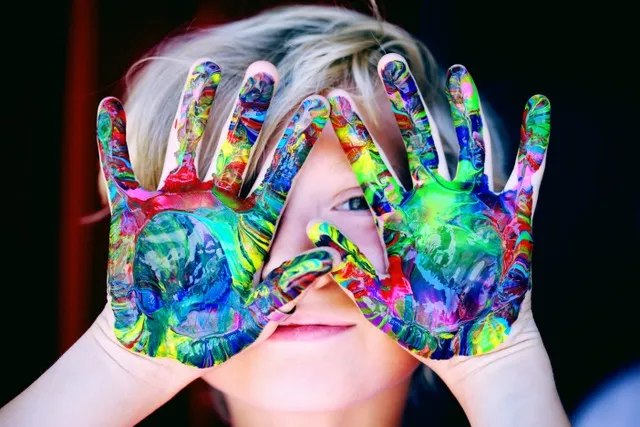
For children, over 80% of what they learn in the classroom and the world around them, is processed through their eyes. If their visual system functions below an optimum level their ability to learn and participate can be deeply affected, which is often mistaken for or overlaps with a learning problem, ADHD, or dyslexia. For adults, everyday comfort, work efficiency, and sports performance heavily rely on these same integrated skills.
Core Visual Skills We Evaluate
To function at a tip-top level, a person needs a coordinated range of visual skills:
- Eye Tracking: The eyes working together smoothly to follow a line of print or a moving object.
- Eye Teaming: The eyes working together efficiently at both near and far distances.
- Focusing Skills: The ability of the eyes to focus together clearly and flexibly in a controlled way.
- Binocular Vision: The eyes blending images simultaneously to create accurate depth and single vision.
- Visual Processing & Perception: Skills such as visualising, sequencing, and interpreting information and images.
Supporting reading, learning and development
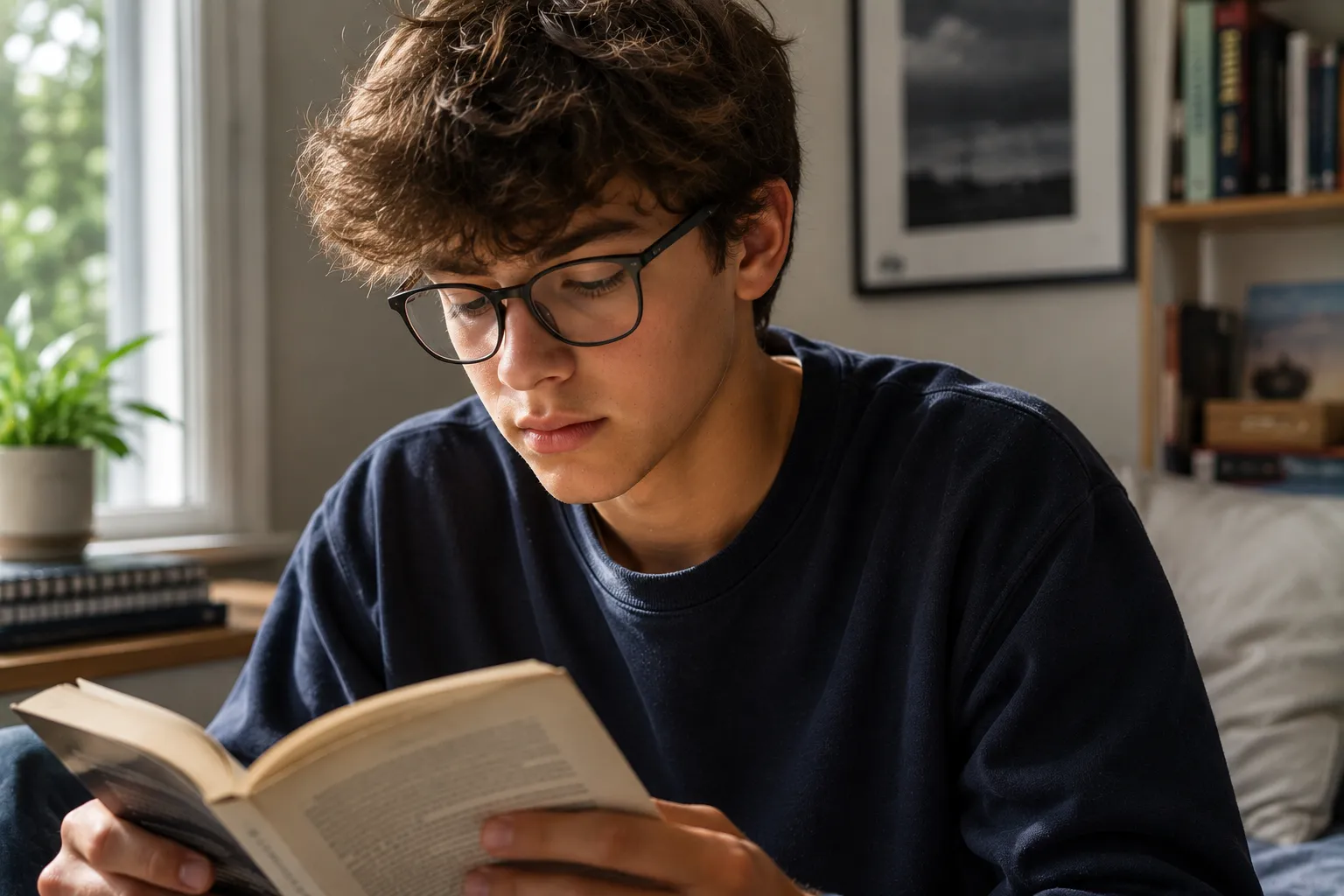
For children, behavioural optometry can give a big boost to reading fluency.
It is especially helpful to children who may suffer from amblyopia, commonly known as lazy eye, or strabismus, commonly known as turned eye, through a combination of glasses and vision therapy.
Can behavioural optometry help adults?
Absolutely. Many adults experience difficulties with their visual system, requiring careful consideration of their work, sport and lifestyle habits to optimise visual processing and vision comfort.
The holistic approach of behavioural optometry also assists patients with visual issues resulting from illness or injury, such as Parkinson’s Disease, concussion, head injuries and whiplash.
At Specialeyes Newcastle, we provide tailored vision therapy programs for both children and adults.

Ready to Take the Next Step?
We aim to make the process of booking your appointment as simple and stress-free as possible. Whether you are seeking a routine eye examination, a developmental vision assessment, Vision Therapy support, or an Orthokeratology consultation, our team is here to guide you toward the most appropriate care.